FAQs
What types of fences does StraitLine Install?
StraitLine has experience with many fence styles and materials. We are proficient with: cedar and pressure-treated pine, split rail, post and wire, aluminum, vinyl and chain link fences.
How much does a fence installation cost?
Fence installation costs vary based on material, terrain, and project size. At StraitLine Fence, most residential fence projects start at $975, with pricing typically calculated per linear foot depending on the fence type and site conditions.
Try our Instant Quote Tool. StraitLine Fence's Fence Cost Estimator gives you the power to design your ideal fence right from the comfort of your home. By entering the exact dimensions of your yard, you can create a custom fence that perfectly fits your space. The estimator allows you to explore a variety of material options—such as vinyl, wood, aluminum, and chain-link—while choosing from different styles and colors to complement your property. This online tool simplifies the design process, making it easy to plan a fence that matches both your budget and personal taste. With just a few clicks, you can get an instant estimate and start visualizing your new fence, designed specifically for your yard.
What is the average cost per linear foot for vinyl fencing?
Vinyl fence installation typically ranges from $45–$75 per linear foot installed, including materials and labor. Vinyl fencing costs more upfront than wood but offers long-term value due to low maintenance and durability.
How much does a wood privacy fence cost installed?
Wood privacy fence installation generally ranges from $25–$35 per linear foot installed. Pricing depends on wood type, fence height, and yard conditions. Wood fencing remains a popular option for homeowners seeking privacy at a lower upfront cost.
What does split rail fencing cost?
Three-rail Southern Yellow Pine (SYP) split rail fencing costs:
- $21 per linear foot with galvanized wire mesh
- $25 per linear foot with black wire mesh
These prices include professional installation and are ideal for large properties, agricultural fencing, or decorative boundaries.
How much does aluminum fence installation cost?
Aluminum fencing costs vary by application:
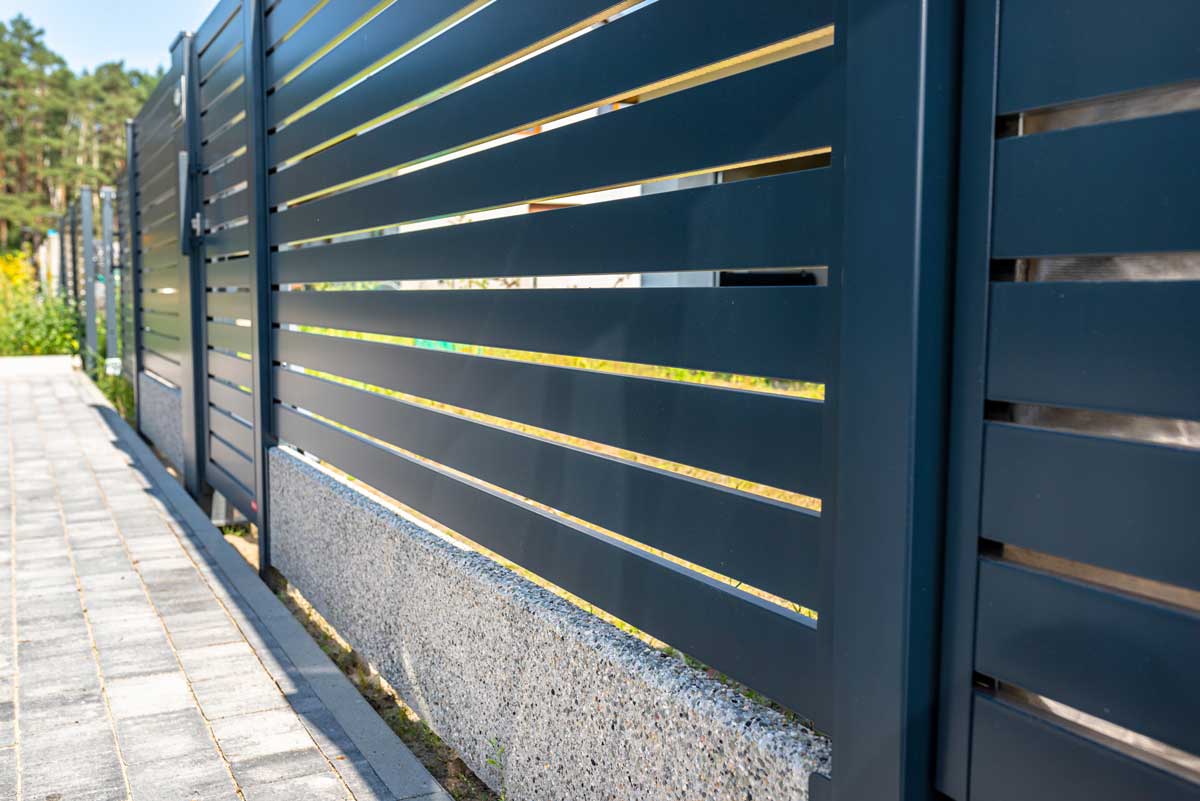
- Residential aluminum fencing: $40–$55 per linear foot
- Commercial aluminum fencing: $75–$95 per linear foot
Commercial projects typically require heavier-grade materials, which increases overall cost.
What is the cost of chain link fence installation?
Chain link fencing prices depend on height and finish:
- 4’ galvanized: $25–$30 per linear foot
- 4’ black: $35–$40 per linear foot
- 6’ galvanized: $40–$50 per linear foot
- 6’ black: $65–$70 per linear foot
All pricing reflects installed costs, including labor.
Can you give an example of a recent fence project and cost?
A recent project included:
- Material: 3-Rail SYP Split Rail Fence
- Length: 225 linear feet
- Gates: Two 4’ gates
- Demolition: None
Approximate Cost: $4,575
What factors can increase the cost of fence installation?
Several site and project conditions can affect final pricing, including:
- Sloped or uneven terrain
- Difficult digging conditions or rock excavation
- Limited access to the installation area
- Landscaping obstacles
- Removal of existing fencing
- Additional gates or custom features
Permit or approval requirements
Will I need a permit and does the homeowner have to file for it?
A majority of municipalites require a fence permit. StraitLine will determine if a permit is required and file the permit for the homeowner.
Should the fence line be cleared of brush and trees?
Yes, the homeowner should have the fence line cleared as much as possible before the fence is installed. StraitLine is able to clear small shrubs and branches, but there is a labor fee for those services
Is a deposit required?
Yes, StraitLine requires a 50% deposit due at the signing of the project with the remaining balance due upon completion of the project
What is the process?
First we schedule an on-site appointment with one of our estimators. Depending on the scope of the project, the completed estimate will be sent via email 3 to 7 days after the appointment. If the estimate is accepted we will add your project to our project list. Next, we will have you sign a copy of the proposal and mail it and the material deposit to our PO Box. Once the deposit is received we will file any necessary permits with your municipality and order materials for your project. Once your project is on the installation schedule we will contact OHIO811 to mark all utilities and you will be contacted via phone call or email to let you know the week your project has been tentatively scheduled. As the start date approaches we will call or email you again to let you know the exact date the project is scheduled for and when materials will be delivered, if applicable.
Does StraitLine Contact OHIO811?
Yes! StraitLine will call OHIO811 about a week or two before your project is scheduled for install. OHIO811 only marks the main public utilities. StraitLine is not responsible for private lines (i.e. sprinkler heads, dog fences, private electrical to shed, garage, outdoor lights & etc.). If you have private lines on your property they will need to be marked before installation begins.
What is difference between cedar wood and treated wood?
If you are deciding between cedar and pressure-treated wood, both have their strengths. Cedar is a more durable and attractive choice but can get pricey for those on a budget. Pressure-treated lumber is more affordable, although it requires more maintenance.
Cedar is a softwood with a rich, warm reddish hue. In its natural state, it resists rot, moisture and pests. While it can be more expensive, it is highly durable. long lasting and low-maintenance.
Pressure-treated lumber is widely available and budget friendly. It looks good in its natural state and there are many available stains and finishes to achieve a variety of looks. This type of wood, while affordable, is suceptable to slight warping and requires periodic maintenance. Due to its superior soil-resisting ability, pressure-treated wood is a better choice for all fence posts.
What is Benefit of PVC Fence?
PVC Fences provide a maintenance-free look for the life of the fence. Where wood fences will weather and turn silver-grey, PVC fences maintain their appearance for life.
How deep does StraitLine dig their post holes?
The depth of the post hole is determined by three factors: the height of the fence, the style of the fence and the soil conditions. Post hole depths range from 30” deep for a 4’ high chainlink fence in hard soil to 42” deep for and 8’ high solid privacy fence.
Will I need a survey?
Not usually! If there is a property line dispute with your neighbor, then a survey may be required. There are a few municipalities that also require surveys. However, StraitLine does not require a survey before installation. If you’d like to get a survey, let us know and we can recommend someone for you!
Does StraitLine offer a warranty?
Yes! All StraitLine Fence agrees to furnish materials and labor for projects and will warrant all labor furnished on projects against and defects in workmanship for a period of 1 year from the date of completion, Materials for the same project are subject to Manufacturer’s Warranty.
What form of Payments are accepted?
Cash, Check or CC.
What is the difference between Big Box Store Products and Your Products?
Big Box Stores carry lower quality products to be able to offer the lowest price possible. Since we are offering only fence products, we provide the highest quality fence on the market. Our reputation is based on the quality of our products and services we provide and we don’t always have the lowest price when compared to Big Box stores.
Are permits or HOA approvals required for fencing?
Permits are commonly required in our service area. Permits and HOA approvals are typically secured by the homeowner, though we can help guide you through the process if needed.
Do you charge extra to remove an old fence?
Yes. Old fence removal typically costs $5–$10 per linear foot, depending on the fence type and disposal requirements.
How long does fence installation take from contract to completion?
The average timeline from signed contract to installation is 6–8 weeks, depending on material availability, weather, and seasonal demand.
Do you require a deposit for fence installation?
Yes. A deposit of 20%–50% is required at contract signing, depending on project scope and materials.
Do you offer financing for fence installation?
Yes. We offer financing through Synchrony Bank, allowing qualified homeowners to spread payments over time while moving forward with their fencing project.
What warranty comes with my fence?
- Materials: Covered by the manufacturer’s warranty
- Workmanship: 1-year workmanship warranty
What fence materials do you recommend?
We install only high-quality fencing materials sourced from trusted manufacturers. We do not install low-grade or big-box-store materials, ensuring better longevity, appearance, and performance.
What’s the most common budget vs. premium decision homeowners make?
Many homeowners consider using materials from big-box stores to save money. However, these materials often lack the durability and structural quality of professional-grade fencing, which can lead to higher repair or replacement costs over time.
Why might your fence quote be higher than a competitor’s?
Our pricing reflects:
- Higher-quality materials
- Proper installation methods
- Employee installers (not subcontractors)
- Competitive wages and full benefits for our crews
- A physical location with on-hand inventory and support
This results in better workmanship, accountability, and long-term value.
What is the busiest time of year for fence installation?
Our busiest months are June through October, when demand is highest. Scheduling early helps secure preferred installation dates.
Do commercial fence projects cost more than residential?
Yes. Commercial fence projects typically specify higher-grade materials and additional compliance requirements, which increase overall cost compared to residential installations.